
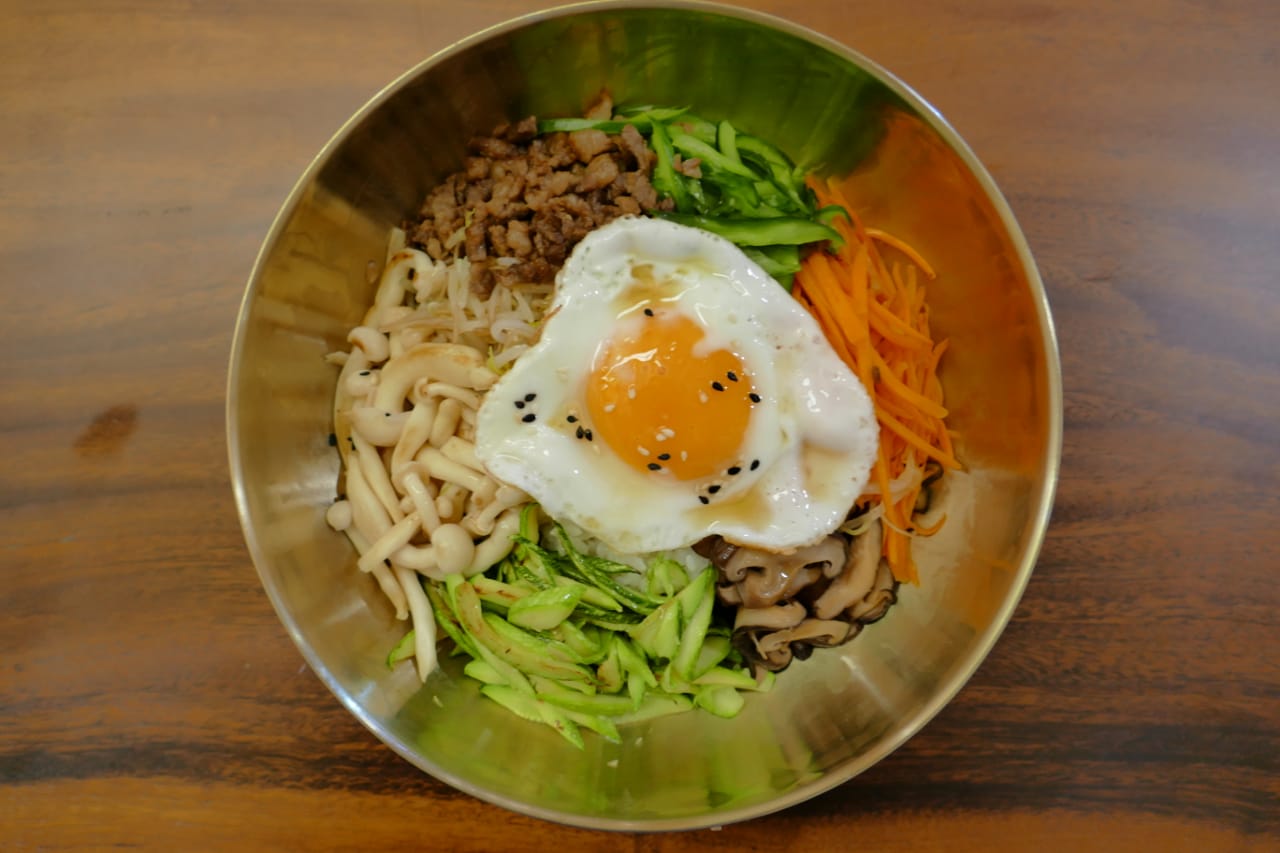
Korean restaurant for the traditional k-food in UAE
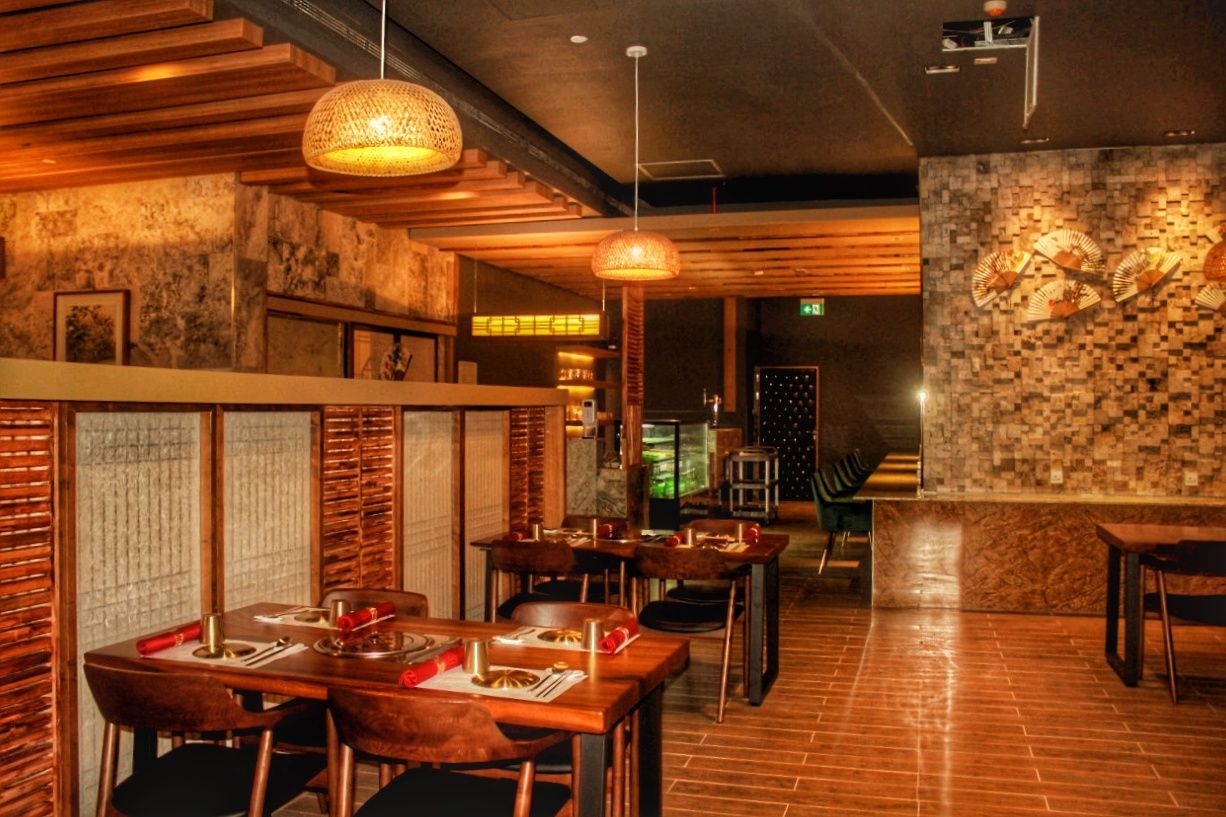
Hello, in this topic I'm going to talk about the Korean food that I found in the Korean restaurant in UAE Abu Dhabi last week I was so happy to find a place like this Korean cuisine in my home town and the most important is that the place location for me is so important the location of it in a great spot in the UAE which is the capital city of UAE, so now let us move to talk about the Korean buffet that you can find it in the restaurant.
So the place called Taon Korean Restaurant in UAE Abu Dhabi Corniche Road East Capital Plaza Complex - Abu Dhabi Sofitel Abu Dhabi Corniche) #P2 - Abu Dhabi I'll share with you the map location is better and fast to get to the place by the map direction; REFRE TO HERE: shorturl.at/bcgjx.
Personally, I love eating Korean food a lot because I think that I was a Korean in my EX life the Love for this great culture, food, songs, and the program is more than the love that I have for my homeland lol.
so I believe that I was a Korean in my other life. So I started to have the Korean food kimchi and ramen and the Korean chicken wow it is the favorite taste for me ever you should also try it too.
And on the Taon menu, you can find all Asian type food such as Chinese food, Japanese food and for sure Korean one also, especially the Korean traditional food and the Korean street food 2 I've tried the fried chicken with the beer it is called in Korean chi-maek chi means chicken and maek means maekju in Korean means beer so this food is a beer with the chicken is a famous Korean food to the Korean love to have it a lot it try it there trust me it worth it
and the Korean Chinese jjampong noodle , and this food is a Popular Korean noodle soup called jjambbong is cooked with a fiery seafood broth spiced with gochugaru (hot and smoky Korean red chili flakes) and topped with seafood and veggies. You can also make jjamppong with pork broth, sliced pork on top, or a combination of seafood and pork. During the Japanese occupation, the dish, which was modified from the Shandong-Chinese cuisine chommiàn, was given the name jjamppong because it resembled chanpon, a Japanese-Chinese noodle soup that was derived from the Fujian-style mènmiàn.
the components for jjamppong:
For the whole recipe, scroll all the way down. You'll need two small or medium-sized minced cloves of garlic. To give the broth a little sweetness, the onion was finely diced. Cabbage provides a nice flavour. It has a delicate crunch and takes on the spicy and salty flavour of the soup. And as I saw there is the new Korean Brand ramen called DAEBAK Ramen so this is basically Halala Korean ramen made in Malaysia because the Malaysian halal certification is recognized by the Halal Islamic Food Organization, and there is the daebak Jjambbong ramen flavour .
- Just a few thinly sliced shiitake mushrooms are added to add a hint of earthiness.
Scallions: Similar to onions, scallions give the soup a touch of sweetness and pungency.
Gochugaru: Also known as Korean red chili pepper flakes, gochugaru is a key ingredient in this recipe since it gives the soup a smoky, spicy flavor. It's also the cause of the broth's bright crimson color.
You can use fresh or frozen seafood (just make sure it's thawed beforehand). Although I'm using a combination of fresh shrimp, squid, and clams, feel free to substitute whatever seafood you choose.
Stock: Since I'm a big fan of dashi, I adore incorporating it into this recipe. pungent, briny, and umami. I advise using low sodium chicken stock if you enjoy seafood but cannot stomach a lot of "sea flavor."
Regular soy sauce or reduced-sodium soy sauce for an earthy and umami kick.
The same jja-jjang fresh wheat noodles that are used in jajangmyeon are utilized in the traditional jjamppong meal. HMart, a Korean store, carries such noodles. On the other hand, I like the feel of fresh ramen noodles or canton noodles, sometimes known as Hong Kong noodles. If you want thick wheat noodles, you can also try udon noodles.
